Your Remote Lost the War: How Smart TV Home Screens Became the New Billboard
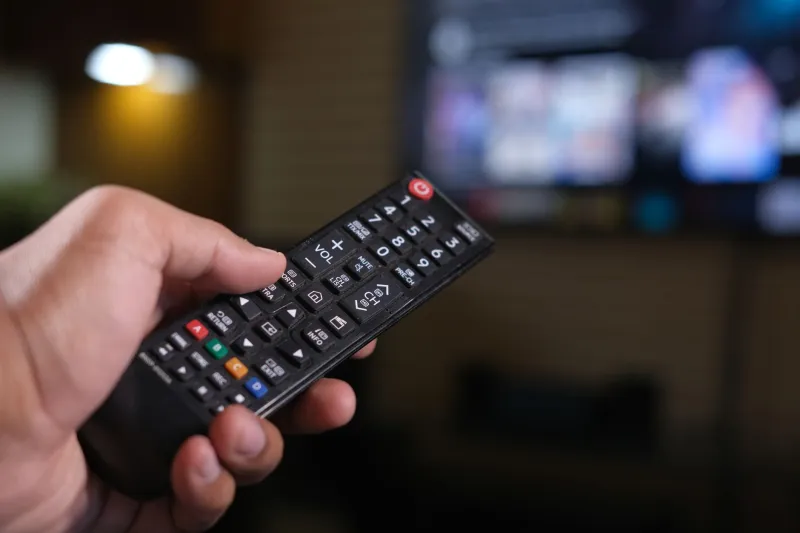
Remember when a remote control just did one job? Volume, channel, power. Three buttons you could find in the dark without opening your eyes. Those days are gone, and honestly, the remote wasn't the thing that died. What died was your TV's loyalty to you.
The Home Screen Is Prime Real Estate — And You're the Tenant
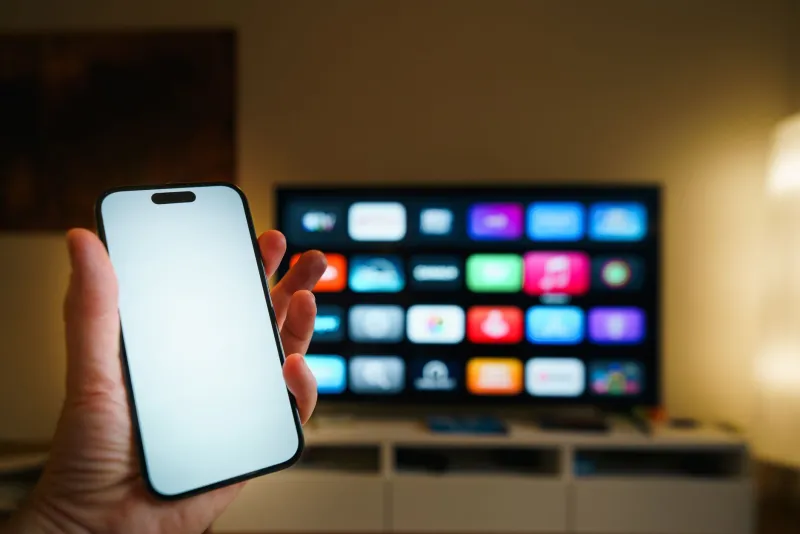
Here's the uncomfortable truth about modern smart TVs: when you turn one on, the first thing you see isn't your content. It's a billboard. Roku dedicates prime rows of its home screen to sponsored tiles. Amazon's Fire TV plugs its own shows and partner promos front and center. Vizio — which operates a full ad business called WatchPlus — builds monetization directly into its WatchFree ecosystem.
This isn't an accident. It's a business model. These platforms make money every time you glance at that screen, whether you click or not. The remote used to be your instrument of control. Now it mostly navigates you through someone else's shopping mall.
Why Voice Made It Worse
Voice assistants were sold as convenience: "Alexa, play The Bear." But every voice interaction is also a data interaction. Your requests, your viewing habits, your pauses — all of it feeds the recommendation and ad engine. The remote at least required you to physically choose. Voice removed the friction, and friction was the last thing standing between your intent and their funnel.
And once voice became the interface, the home screen became even more valuable. If you're not scrolling, you're glancing — and glances are sellable.
The Takeover Nobody Voted For
Here's what stings most: you paid $500, $800, sometimes $1,500 for this television. Then the manufacturer turned around and monetized your eyeballs anyway. Vizio has openly acknowledged that its data and advertising business is often more profitable per unit than the hardware itself. Your TV isn't a product anymore. It's a loss leader with a screen.
For US households juggling Hulu, Netflix, Max, and whatever else, this means the ad-supported streaming tier you consciously accepted is layered under a second, invisible ad tier you never agreed to — the one baked into your TV's operating system.
Reclaim Your First Screen
You can't uninstall the operating system, but you can fight back. Here's the practical playbook:
- Change your power-on behavior. Most TVs let you set a default input. Point your TV at the HDMI port for your streaming box — or better, an antenna or console — instead of the smart home screen.
- Use an external streaming device. A Roku stick or Apple TV gives you a home screen you can actually curate, rather than the one your TV manufacturer forces on you.
- Kill sponsored rows where possible. On Roku, disable the sponsored content in settings under privacy. On Fire TV, turn off personalized recommendations.
- Opt out of ACR. Almost every smart TV collects automatic content recognition data. Dig into privacy settings and shut it off. Your picture quality won't change. Your data profile will.
The Bigger Picture
The remote didn't die of natural causes. It was pushed aside because passive screens are worth more than active choices. Every second you spend staring at a sponsored tile is a second the platform counts, monetizes, and sells to advertisers.
So the next time your TV boots to a wall of promos instead of your apps, remember: that screen was designed by someone whose customer isn't you. Take the default input back. The remote may be dying, but your say in the matter doesn't have to.