Power Up Your Stream: A Tech-Lover's Guide to Building a Lag-Free, Crystal-Clear Home Theater
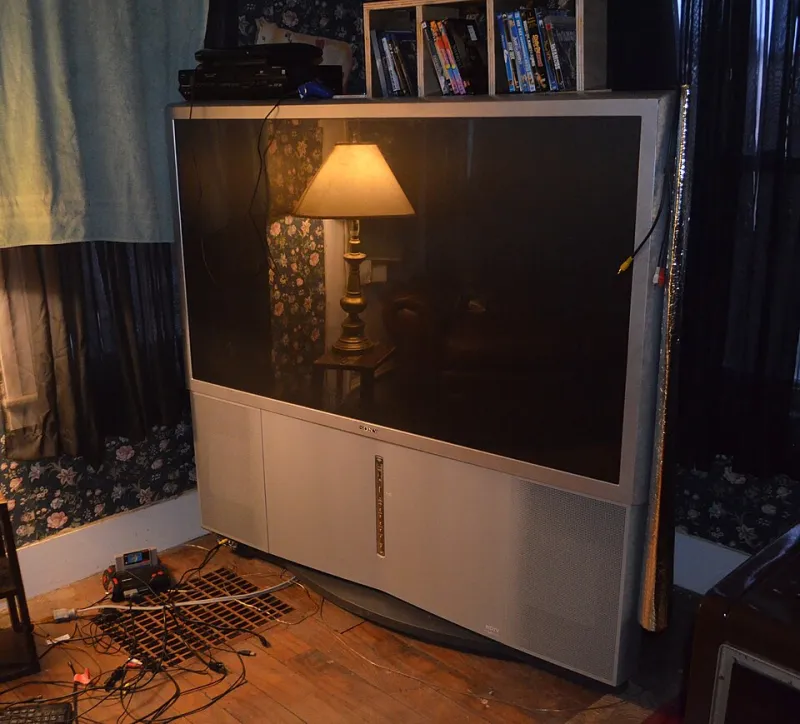
Photo: B137, CC0, via Wikimedia Commons
You've got a 4K TV, a decent internet plan, and a Hulu subscription. So why does your stream still look soft, buffer at the worst moments, or drop to 720p right in the middle of a tense finale? The answer almost never lives in just one place — it's usually a combination of network bottlenecks, device limitations, and app settings you've never touched.
This guide is for the person who wants to actually fix it. No vague advice, no "restart your router" placeholders. Let's go layer by layer.
Start With Your Network — Everything Else Depends on It
Your home network is the foundation. A gorgeous OLED display and a top-tier streaming stick can't save you from a mediocre router or a congested Wi-Fi channel.
Router matters more than your ISP speed. A lot of households are running routers that are three to five years old — ancient in networking terms. If you're on anything older than Wi-Fi 5 (802.11ac), you're leaving performance on the table. Upgrading to a Wi-Fi 6 (802.11ax) router dramatically improves throughput, reduces congestion on crowded home networks, and handles multiple simultaneous streams with far less strain.
Top picks worth considering:
- TP-Link Archer AX73 — excellent range, great value, Wi-Fi 6 capable
- ASUS RT-AX86U — a powerhouse for larger homes with lots of connected devices
- Eero Pro 6E — mesh system ideal for multi-floor homes where dead zones kill streams
Ethernet is still king. If your streaming device is within cable reach of your router, plug it in. A wired connection eliminates the wireless interference variable entirely. For living room setups where running a cable isn't realistic, MoCA adapters (which use your home's coaxial cable lines) are a fantastic middle ground — delivering near-wired speeds without drilling holes in walls.
Optimize your Wi-Fi bands. Most modern routers broadcast on both 2.4 GHz and 5 GHz. Keep your streaming devices on 5 GHz — it's faster and less congested. Reserve 2.4 GHz for smart home gadgets and devices that don't need speed.
DNS: The Underrated Performance Lever
Here's one most people skip entirely. Your DNS (Domain Name System) server is what translates "hulu.com" into an actual IP address your device can connect to. Your ISP's default DNS is often slow and occasionally unreliable.
Switching to a faster, more reliable DNS service can meaningfully reduce stream startup times and eliminate those annoying "content not loading" hiccups.
Best free DNS options for streaming:
- Cloudflare (1.1.1.1) — consistently the fastest DNS in independent benchmarks, privacy-focused
- Google Public DNS (8.8.8.8) — rock-solid reliability, slightly slower than Cloudflare
- NextDNS — customizable, great for households that want filtering plus speed
You can change DNS settings at the router level (so every device benefits automatically) or per-device in your network settings. On most smart TVs and streaming sticks, it's buried in the advanced network configuration menu — takes about two minutes once you know where to look.
Pick the Right Streaming Device for the Job
Not all streaming hardware is created equal. Your platform's app performs very differently depending on what it's running on.
Avoid older smart TV apps when possible. The built-in Hulu app on a 2019 smart TV is running on aging hardware with limited RAM. It buffers more, crashes more, and often can't take advantage of newer codec support like AV1, which delivers better quality at lower bitrates.
Best dedicated streaming devices in 2024:
- Apple TV 4K (3rd gen) — the gold standard for performance and app quality; handles Dolby Vision and Atmos natively
- NVIDIA Shield TV Pro — the absolute best for power users; supports 4K AI upscaling and has the most robust Hulu app available
- Amazon Fire TV Stick 4K Max — excellent budget-friendly option with Wi-Fi 6 support baked in
- Google Chromecast with Google TV (4K) — clean interface, solid performance, great for Google ecosystem users
If you're on Hulu specifically, the Apple TV 4K and NVIDIA Shield versions of the app consistently deliver the best video quality and the fewest technical issues, based on user reports across Reddit's streaming communities.
Hulu-Specific Settings Worth Knowing
Hulu doesn't give users a ton of manual control, but there are a few things you can do to tilt performance in your favor.
Check your data usage setting. In Hulu's account settings, there's a "Data Saver" option that, if enabled, deliberately lowers your stream quality. It's sometimes turned on by default or accidentally toggled on mobile. Make sure it's off for home viewing.
Log out and back in periodically. This sounds basic, but Hulu's app caches authentication tokens and CDN (Content Delivery Network) routing data. A fresh login occasionally forces the app to reconnect to a faster CDN node — especially useful if you've noticed gradual performance degradation over weeks of use.
Clear app cache on your device. On Android TV, Fire TV, and Roku, app caches can bloat over time and slow things down. Head into your device's app management settings and clear the Hulu cache every month or two.
Use 5.1 audio settings intentionally. If your setup doesn't support Dolby Atmos passthrough, forcing Hulu to output standard 5.1 instead of attempting (and failing) to deliver Atmos can actually reduce audio sync issues on some older AV receivers.
Putting It All Together
Optimizing your home theater for streaming isn't a one-time fix — it's a stack of small improvements that compound into a noticeably better experience. Here's a quick checklist to work through:
- Upgrade to a Wi-Fi 6 router if you're on older hardware
- Connect streaming devices via Ethernet or MoCA if possible
- Switch DNS to Cloudflare (1.1.1.1) at the router level
- Replace old smart TV apps with a dedicated streaming stick or box
- Confirm Hulu's data saver is disabled
- Clear app cache monthly
- Put all streaming devices on your 5 GHz Wi-Fi band
You don't have to do all of this at once. Start with the router and DNS — those two changes alone will make a measurable difference for most households. Then layer in the device upgrades and app tweaks as you go.
Streaming at its best is seamless, sharp, and uninterrupted. Your setup should be working for you — not against you.